Yard Drainage
Standing water, soggy ground, runoff and recurring low spots.
Projects from$1,500
Explore yard drainage Yard drainage starts with where the water collects. Tell us what you see, and we’ll help narrow down the solution.

Choose the problem you see. You do not need to know which drain you need.
The system should match the source, slope and available outlet.
Standing water, soggy ground, runoff and recurring low spots.
Wet soil, a soggy strip of lawn and water moving below the surface.
Low areas, poor slopes and runoff traveling toward structures or hard surfaces.
Surface water collecting in a defined low spot.
Roof runoff washing mulch, pooling beside a house or crossing a walkway.
Runoff that needs a broad, shallow route across the landscape.
Water crossing, collecting beside or running down a driveway.
Soil washing away, channels forming and concentrated runoff.
Photos of the wider area help show the source, route and lowest point.
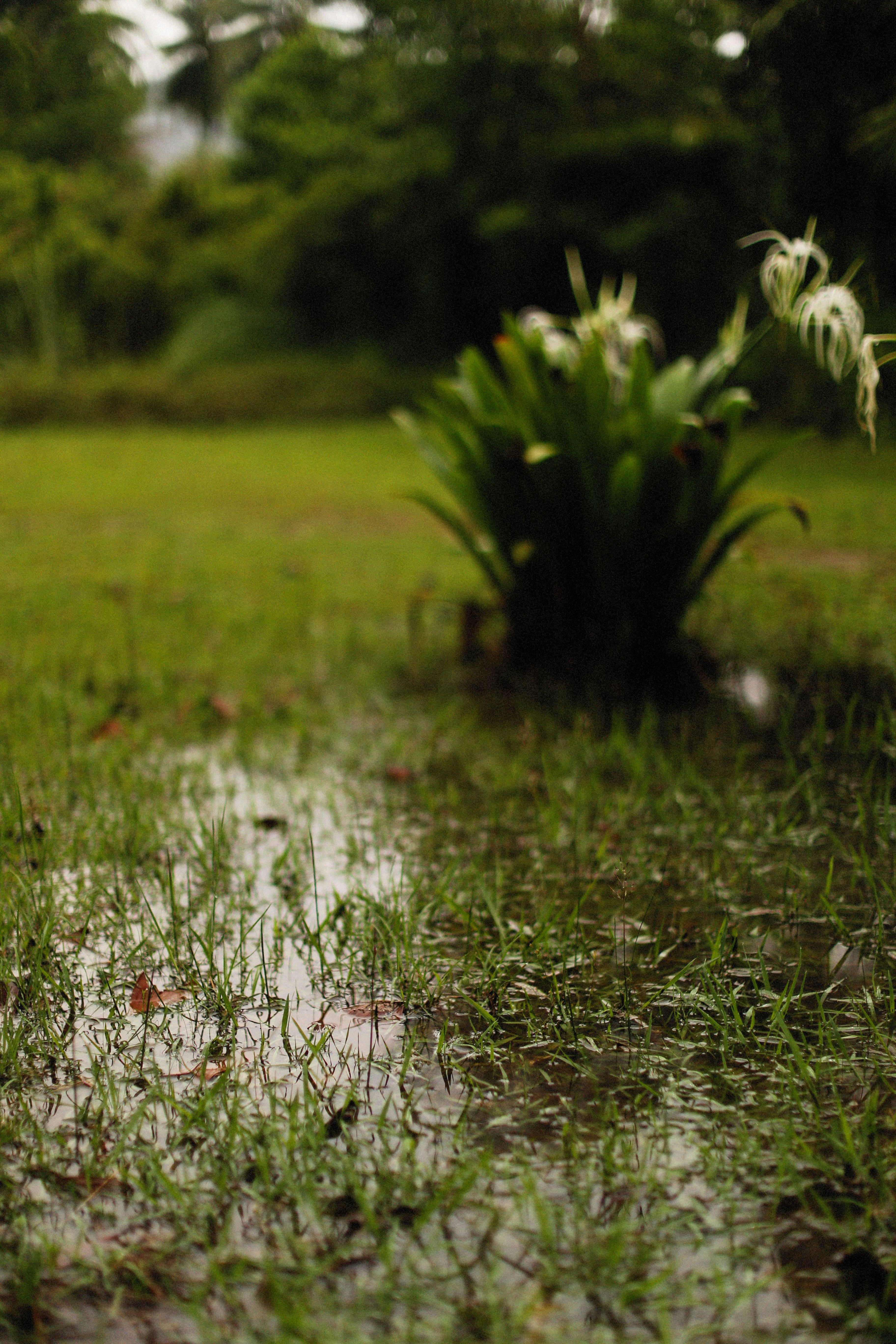
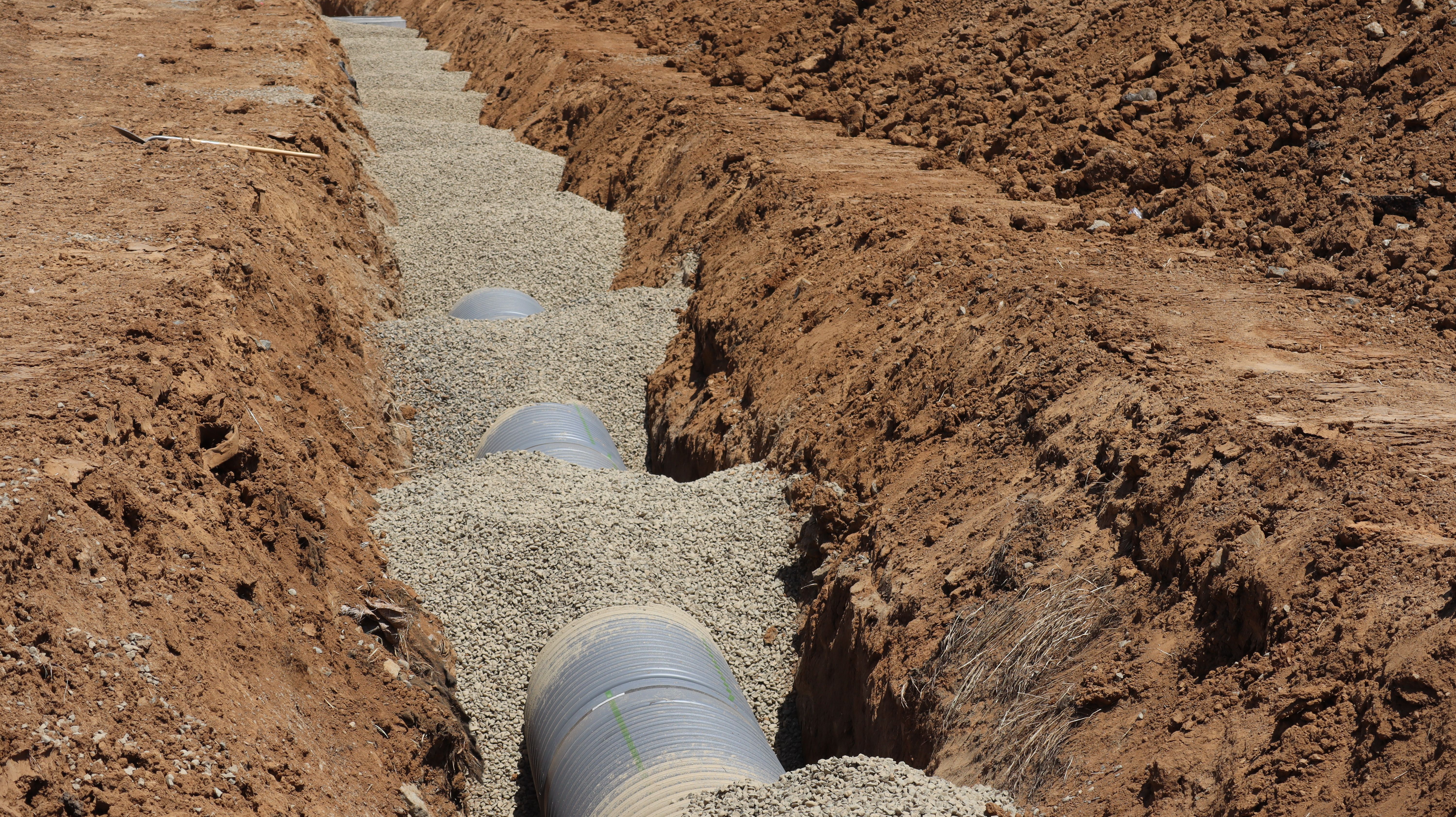
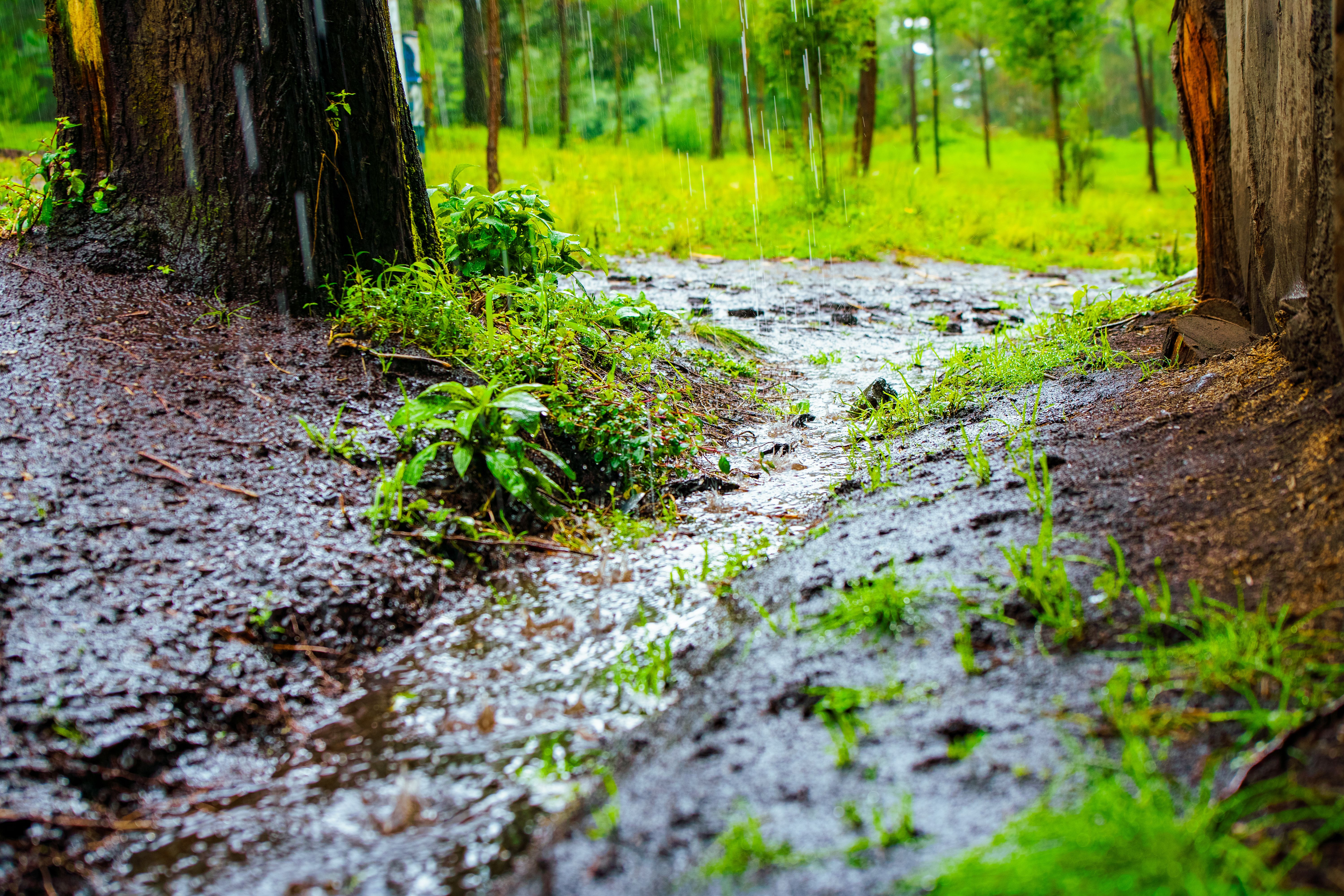
Some Upstate properties have clay-heavy soil, but no two lots drain the same way. Roof runoff, low spots, driveways and neighboring grades can be just as important.
Start where water enters the property, not only where it stops.
Ground levels and obstacles determine how water can move.
Every collection system needs a suitable destination.
The process starts with the problem, then follows the water.
Tell us what is happening and where the property is located.
Evaluate the water source, slope, grading and discharge options.
Select the collection or grading approach that fits the property.
Install the agreed drainage system and restore affected surfaces.
Confirm that the work follows the planned drainage path.
The answer usually depends on the water source and available outlet.
Common causes include low ground, compact or slow-draining soil, concentrated roof runoff and a blocked surface route.
There is no universal best system. French drains, surface inlets, grading and solid downspout pipes solve different problems.
Route length, excavation, access, outlet work and restoration are major scope factors.
The service architecture currently covers Greenville, Spartanburg, Anderson, Greer and Simpsonville, with other listed Upstate areas added only after confirmation.
Describe the problem at your Upstate South Carolina property and review the details needed for an estimate.